13-Day China Classic Tour: Forbidden City, Great Wall, Terracotta Army, Li River & Shanghai’s Hidden Gems
- 期間: 13 日 (約)
- 所在地: Beijing, Beijing
- 製品コード: PWYWYC
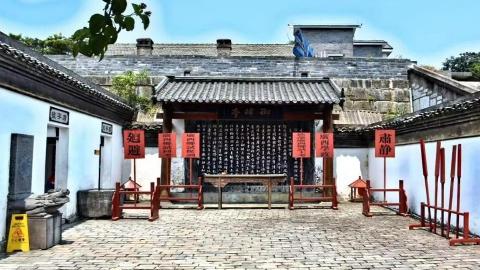
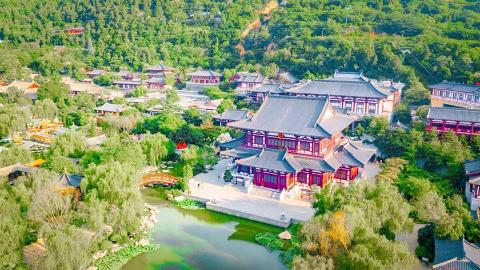
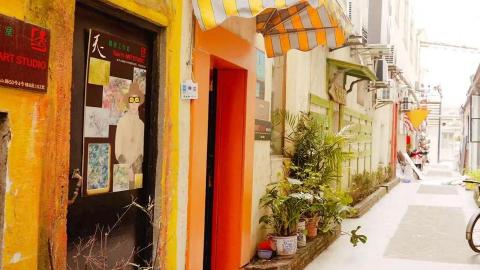
Experience China’s must-see highlights with a twist—from Beijing’s Forbidden City and the “Great Wall” at Mutianyu, to Xi’an’s Terracotta Army and an evening at the Tang Dynasty Ever Bright City. Cruise the Li River through Guilin’s karst peaks, then dive into Shanghai’s art districts, colonial-era lanes, and the newly reopened Shanghai Museum. This 13-day journey pairs iconic landmarks with authentic, hands-on cultural encounters—painting Peking Opera masks, learning calligraphy, cycling the ancient City Wall, and sipping coffee in a International Village at the foot of the Great Wall. All logistics—bullet trains, domestic flights, private transfers, and handpicked hotels—are seamlessly arranged, so you can focus on the stories behind the sights.
1. Tour Highlights:
- Beijing (Days 1–4): Ancient Imperial Capital & Immersive Beijing Experience
- Xi'an (Days 5–7): A Journey Through the Zhou, Qin, Han, and Tang Dynasties—Living as a Chang'an Local
- Guilin (Days 8–9): Journey Through a Landscape Painting & Poetic Li River Cruise
- Shanghai (Days 10–13): Modern Jiangnan—"Haipai" (Shanghai-style) Charm & Artistic Strolls
2. Itinerary Overview:
Day 1: Arrive in Beijing
Upon your arrival at the Beijing airport or train station, a local guide will meet you in the arrivals hall and escort you by private vehicle to your city-center hotel for check-in. You are free to spend the rest of the day relaxing. If you wish to explore the surrounding area, feel free to ask your guide for practical recommendations.Day 2: Beijing – The Forbidden City & Jingshan Park
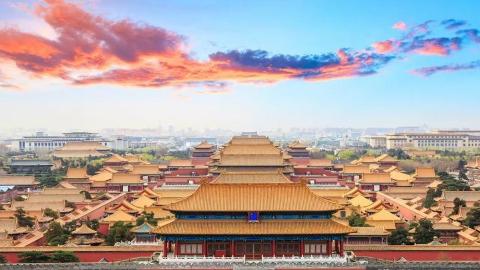
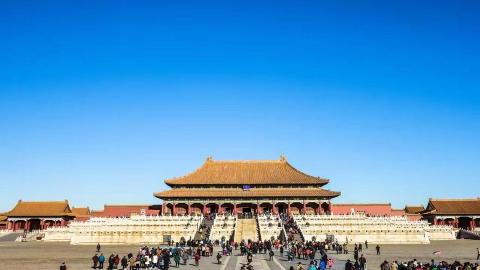
Morning: Enter the Forbidden City—the world's largest ancient palace complex—via Tiananmen Square. We will tour primarily along the central axis (Meridian Gate → Hall of Supreme Harmony → Palace of Heavenly Purity → Imperial Garden), with optional visits to the Treasure Gallery and the Clock and Watch Gallery.
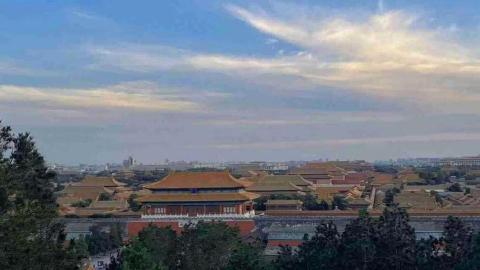
Afternoon: Visit Jingshan Park, located just a short walk from the Forbidden City's Gate of Divine Might (Shenwu Men). Climb to the Wanchun Pavilion for a panoramic view of the Forbidden City and Beijing’s central axis—the perfect spot for photography.
Evening: Head to nearby *hutongs* (traditional alleyways) to enjoy local cuisine.
Day 3: Beijing – Mutianyu Great Wall & City Walk
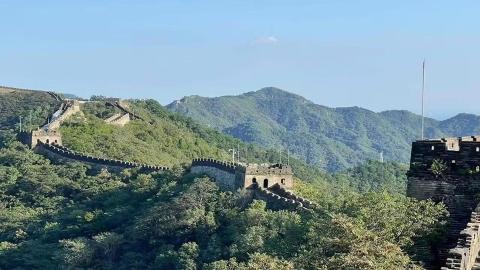
Morning: Visit the Mutianyu section of the Great Wall, one of the best-preserved sections and a favorite among international visitors. Afterward, dine in Beigou Village at the foot of the wall—a place known as an "International Cultural Village." You can also visit the WA Art Museum, experience the blend of art and rural life along the "Traditional Culture Street," and enjoy chestnut-flavored coffee and local snacks.
Evening: Return to the city center, where you can choose to take a city walk at your leisure.
Day 4: Beijing – Temple of Heaven & Hutongs
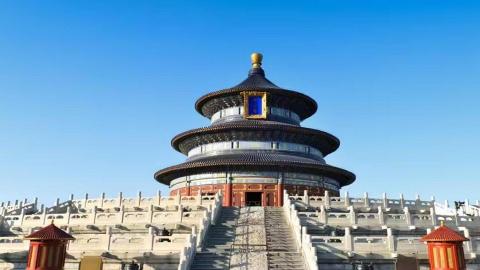
Morning: Visit the Temple of Heaven, a UNESCO World Heritage site where Ming and Qing emperors performed rituals to pray for good harvests. Highlights include the Hall of Prayer for Good Harvests, the Echo Wall, and the Circular Mound Altar.
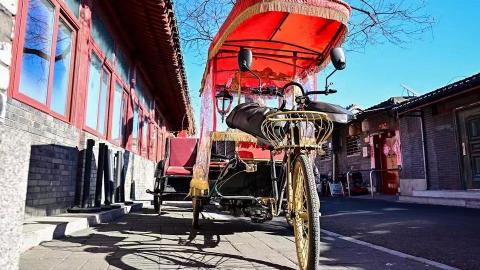
Afternoon: Explore hutong areas such as Nanluoguxiang, Shichahai, and Yangmeizhu Xiejie. Enjoy a rickshaw ride and a leisurely stroll through the neighborhoods. Engage in cultural activities such as painting "Tu'er Ye" (Rabbit God) figurines, calligraphy, paper-cutting, sugar-figure blowing, dumpling making, writing the "Fu" (Good Fortune) character, playing the guqin (traditional zither), or singing Peking Opera.
Day 5: Beijing to Xi'an – Visit the "Great Tang All Day City" Pedestrian Street
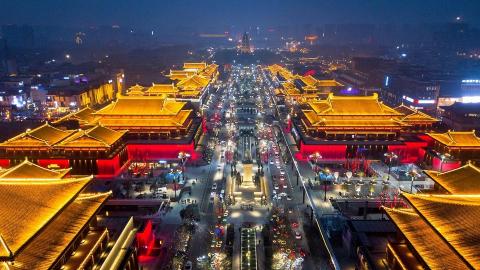
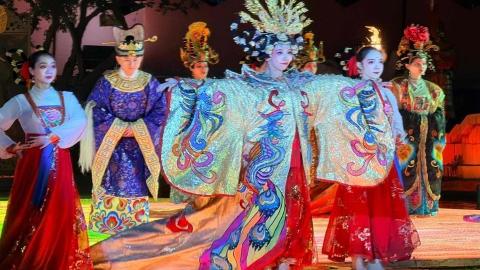
Morning: Travel from Beijing to Xi'an by high-speed train (approximately 4 hours). After checking into the hotel in the afternoon, head to the Grand Tang Dynasty Ever-Bright City pedestrian street to explore and sample local delicacies. This Tang-style cultural district dazzles with brilliant night lights and features various street performances and sculpture groups. It offers a modern, accessible expression of the grandeur of the Tang Dynasty—a "bustling night dream" woven from light, shadow, and performance art. Afterward, return to the hotel to rest.
Day 6: Xi'an — Emperor Qinshihuang's Mausoleum Site Museum & Huaqing Palace
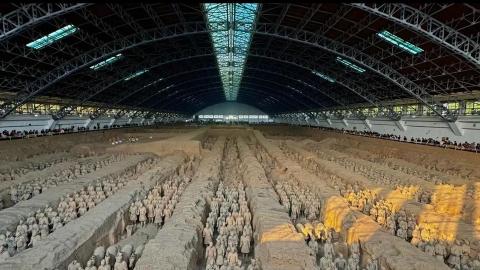
In the morning, visit the Emperor Qinshihuang's Mausoleum Site Museum. Recognized as the "Eighth Wonder of the World" and the ultimate symbol of the military and organizational prowess of China's first unified empire, the visit will focus on:
Pit No. 1: The largest Terracotta Warrior formation, boasting a magnificent scale.
Pit No. 2: Home to exquisite finds such as kneeling archers and cavalrymen with saddled horses.
Pit No. 3: The command center; the smallest in scale but the most refined in design.
Bronze Chariot and Horse Exhibition Hall: Featuring two large, painted bronze chariots and horses, hailed as the "Crown of Bronze Artistry."
In the afternoon, proceed to Huaqing Palace, a Tang Dynasty imperial hot spring retreat. It is the setting for the legendary romance between Emperor Xuanzong and Consort Yang Guifei, as well as the site of the historic "Xi'an Incident." Key highlights include:
Tang Dynasty Hot Spring Ruins: Lotus Pool (reserved for Emperor Xuanzong) and Begonia Pool (reserved for Consort Yang).
Wujian Hall (Five-Room Hall): Chiang Kai-shek's residence during the Xi'an Incident.
Mount Li: Accessible via cable car, offering panoramic views of Lintong.
In the evening, watch the grand live-action historical dance drama *The Song of Everlasting Sorrow*.
Day 7: Xi'an — Shaanxi History Museum & Xi'an City Wall
Morning: Visit the Shaanxi History Museum. As China's first large-scale, modern national museum, it houses 1.71 million artifacts. Hailed as the "Pearl of the Ancient Capital" and a "Treasure House of Chinese Civilization," it serves as a condensed "textbook of ancient Chinese history," offering tangible evidence of the golden ages of the Zhou, Qin, Han, and Tang dynasties. Eighteen national-treasure-level artifacts (such as the Agate Cup with Beast Head and Gold Inlay and the Empress's Jade Seal) systematically trace the evolution of civilization from Lantian Man to the height of the Tang Dynasty. The collection represents the pinnacle of classical Chinese art and serves as an ideal classroom for understanding Chinese aesthetics—from the fierce, imposing beauty of bronzeware to the vibrant splendor of Tang sancai (three-color glazed pottery). A vast collection of artifacts from the Zhou and Qin dynasties reveals the foundations of early Chinese ritual systems, writing, and institutions—offering a journey to trace the roots of Chinese culture.
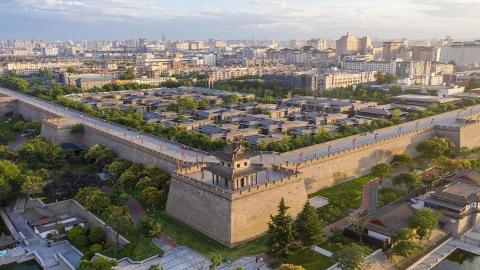
Afternoon: Visit the Xi'an City Wall, the largest and best-preserved ancient city fortification in China. It stands as the world's most complete ancient military defense system and serves as a physical bridge where the past and present converge. We will ascend the wall at Yongning Gate (South Gate) and rent bicycles (45 RMB for 3 hours) to enjoy a panoramic view of the city at dusk, before returning to the hotel to rest.
Day 8: Xi'an to Guilin — Elephant Trunk Hill, Jingjiang Prince City, and Solitary Beauty Peak
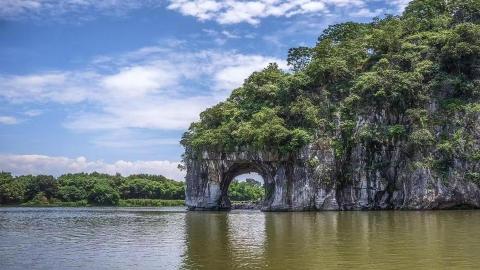
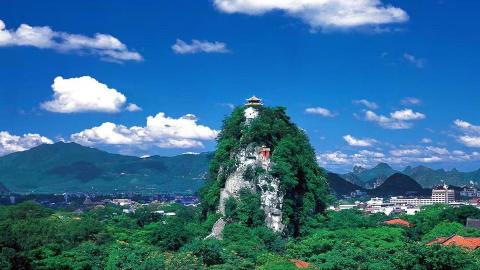
Fly from Xi'an to Guilin in the morning and check into your hotel. Afterward, visit Elephant Trunk Hill—named for its resemblance to an elephant dipping its trunk into the water to drink—and explore the Jingjiang Prince City to experience Guilin's rich history. Climb Solitary Beauty Peak, located behind the Prince City complex, for a bird's-eye view of Guilin. Later, take a short walk to Dongxi Alley (East-West Alley), a historic district dating back to the Ming and Qing dynasties, to sample local delicacies. Finally, return to the hotel to rest.
Day 9: Guilin to Shanghai — Li River and West Street
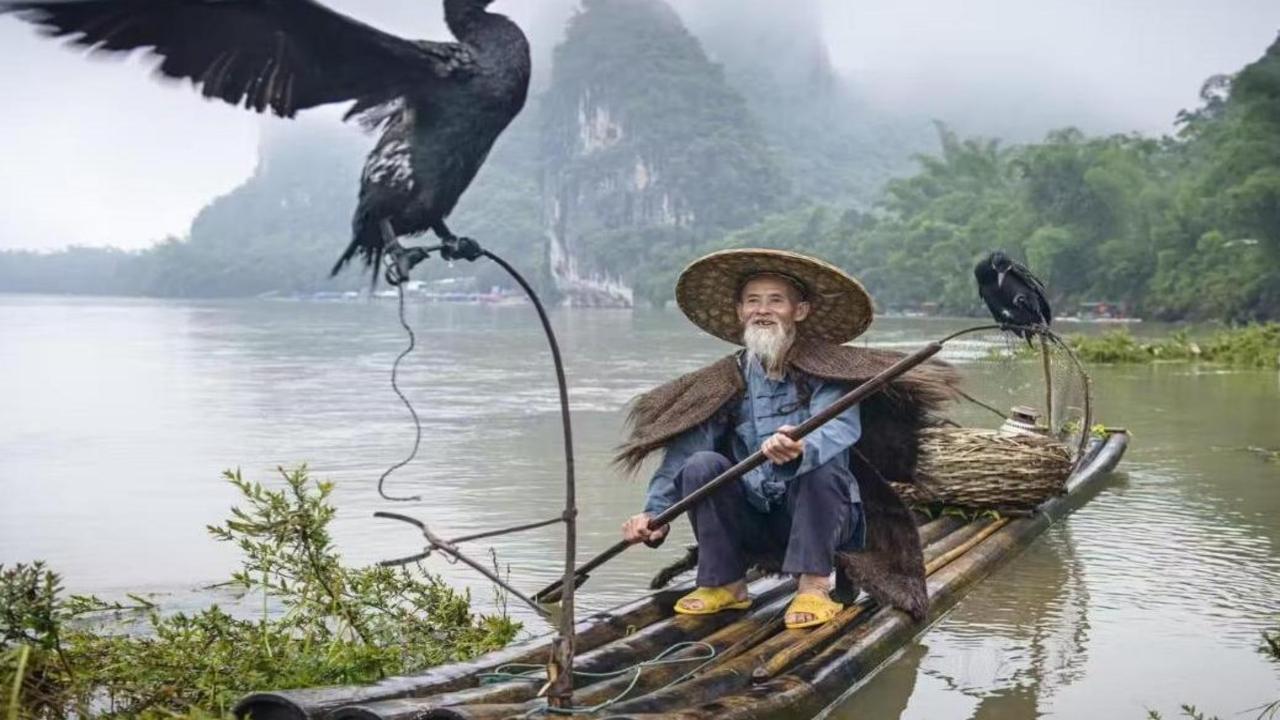
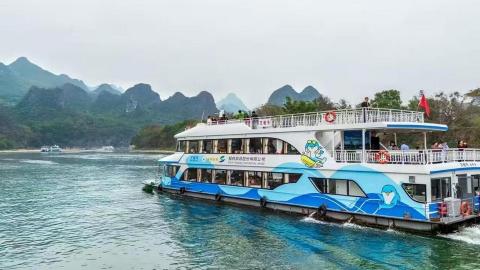
Morning: The highlight of the Guilin trip is a boat cruise along the Li River—the quintessential way to experience the area. Departing from the Guilin wharf, the journey downstream to Yangshuo takes approximately 4–5 hours. As you glide over the emerald waters, you will feel as though you are traveling through a painting, surrounded by the region's signature karst peaks. Along the way, you will spot iconic landmarks such as the "Nine Horses Fresco Hill" and the Xingping section—the very spot featured on the back of the 20 RMB banknote. The passing landscape unfolds like a living ink-wash painting, offering breathtaking scenery.
Afternoon: Upon arrival in Yangshuo, explore the famous West Street. Known as "Foreigner's Street" due to the large number of international visitors, it is lined with a diverse array of bars, cafés, and unique shops, creating a distinctive atmosphere that blends Eastern and Western cultures. Here, you can enjoy a light meal or a cup of coffee while soaking up the laid-back vibe of Yangshuo. Afterwards, proceed directly to Guilin Airport for a flight to Shanghai and check into a hotel in the city center.
Day 10: Shanghai — Yu Garden, The Bund, and Lujiazui
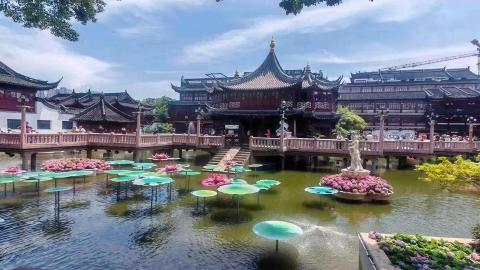
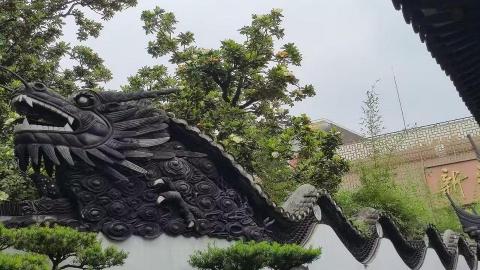
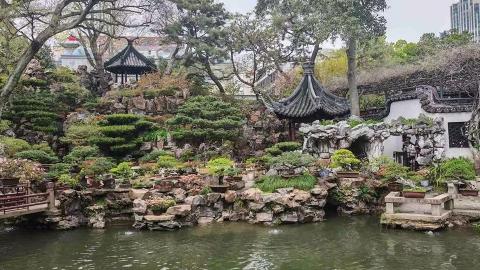
After a good rest, head to the bustling City God Temple and Yu Garden Old Street near Yu Garden. Packed with snack stalls and unique shops, this area is a great place to soak up the atmosphere of old Shanghai folk culture. After lunch here, tour Yu Garden—a classic Jiangnan-style garden dating back to the Ming Dynasty and a prime example of private gardens renowned for their exquisite beauty. The garden is home to the "Jade Exquisite Rock" (Yu Ling Long), one of the three most famous rocks in the Jiangnan region.
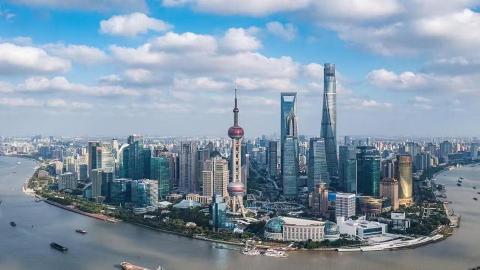
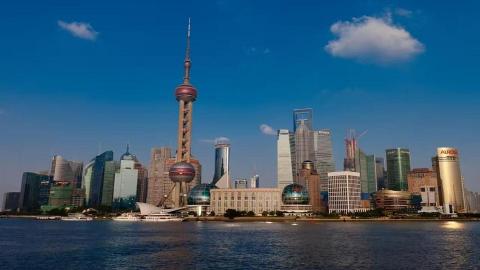
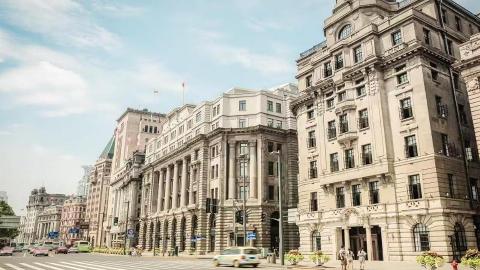
Next, take a stroll or a short ride to Nanjing Road Pedestrian Street to experience the bustle of what is known as "China's No. 1 Commercial Street." Arrive at the Bund in the early evening—the perfect time to appreciate its charm. Stretching about 1.5 kilometers, the area features a "Gallery of World Architecture" comprising 52 buildings in diverse styles; these stand in stark visual contrast to the skyscrapers of Lujiazui across the river, representing the old and new faces of Shanghai. Afterward, head to Lujiazui to experience the city's modern urban vibe; options include ascending a skyscraper for a panoramic night view, taking a Huangpu River cruise, or simply strolling along the riverside.
Day 11: Shanghai — Wukang Road, M50 Creative Park, and Tian'an 1000 Trees
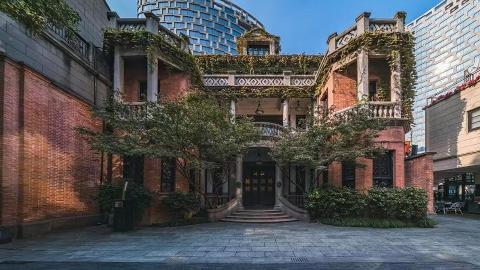
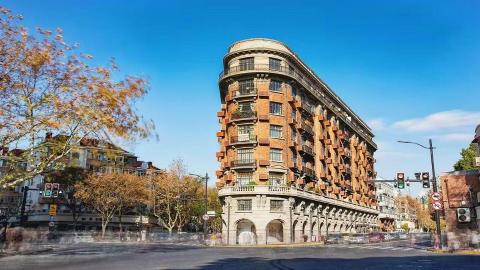
Start the morning with a stroll along Wukang Road. This historic street, once home to many famous figures, is lined with over thirty old Western-style villas, creating a retro, artistic "Shanghai-style" atmosphere.
The Wukang Mansion here is Shanghai's earliest veranda-style apartment building; its semi-circular corner is a favorite spot for photography. The street is dotted with independent cafes and unique boutiques, making it an ideal place to experience Shanghai's "slow living" lifestyle.
In the afternoon, head to M50 Creative Park. Originally a factory complex, this contemporary art hub has transformed into one of Shanghai's most international art landmarks. It brings together numerous galleries, artist studios, and design shops, offering a chance not only to admire finished artworks but also to see how the abandoned factory was repurposed and to gain insight into the daily lives of young Chinese creatives. Most artists in the complex can communicate in basic English, so you can easily step into their studios and chat with the creators.
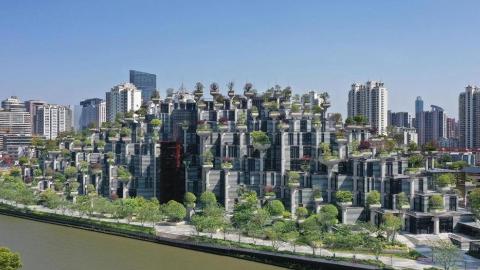
Afterwards, we can walk to the nearby Tian An 1,000 Trees; many foreign tourists come here to take photos of this building, which is renowned for its unique mountain-like architecture.
In the evening, we head to Xintiandi. This stylish district, transformed from a cluster of Shikumen(stone-gate) buildings, perfectly embodies the blend of Eastern and Western styles in Shanghai. You can take a break at an open-air café and soak up the city's leisurely urban atmosphere before returning to the hotel to rest.
Day 12: Shanghai Museum
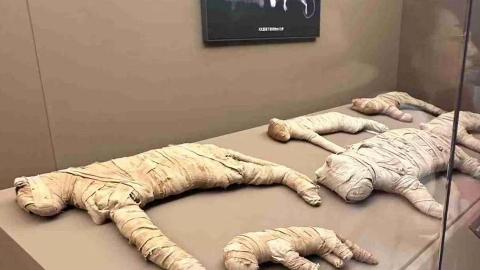
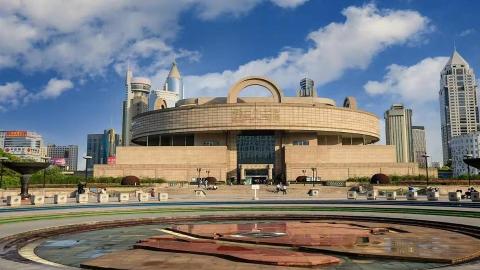
Today, we will visit the Shanghai Museum, one of China's most important museums for ancient art. Established in 1952, it houses a collection of over 1.02 million artifacts, including 145,000 precious items. The museum operates with a "one institution, two venues" structure—the People's Square venue and the Pudong East venue—offering visitors two distinct cultural experiences. The People's Square venue is a classic historic building; its design, based on the concept of "round sky and square earth," is a work of art in itself and houses permanent exhibitions that reflect the passage of time. The Pudong East venue is a modern facility that showcases the museum's "Top Ten Treasures," making it an excellent place to quickly appreciate the collection's highlights. It features interactive experiences such as the "Ancient Civilization Exploration Palace." We will visit both venues within the day.
The Pudong East venue houses many of the collection's finest highlights:
The Da Ke Ding: A significant Western Zhou bronze vessel featuring a 290-character inscription on its inner wall, serving as a crucial historical document. With its dignified form and exquisite patterns, it is one of the museum's signature treasures.
Painting of High-minded Scholars (Gaoyi Tu): A masterpiece by the Tang Dynasty painter Sun Wei and the most celebrated work in the museum's calligraphy and painting collection.
Ku Sun Tie(Bitter Bamboo Shoot Calligraphy): The only surviving authentic work by the Tang Dynasty cursive script master Huai Su.
Shang Yu Tie(Shangyu Calligraphy): A representative semi-cursive script work by the "Sage of Calligraphy," Wang Xizhi; a precious Tang Dynasty copy.
Xi Zun (Ox-shaped Ritual Wine Vessel): A rare bronze wine vessel from the late Spring and Autumn period, shaped like a water buffalo and designed to both hold and warm wine.
Jade Deity Figure: A jade carving from the Neolithic Shijiahe culture; its mysterious form makes it a pinnacle of prehistoric jade art. White Stone Bodhisattva Statue: A Tang Dynasty white marble sculpture retaining traces of its original polychrome finish; an exquisite example of High Tang statuary.
Return to the hotel to rest.
Day 13: Return from Shanghai
Airport or train station transfers arranged according to individual itineraries.
3. Pricing & Practical Information:
3.1. The Fee Includes:
Attraction Tickets and Activity Fees:
- Forbidden City, Jingshan Park, Mutianyu Great Wall (postcard-style ticket + round-trip internal shuttle bus + round-trip cable car), Beigou Village, Temple of Heaven, Hutongs, Intangible Cultural Heritage experience
- Emperor Qinshihuang's Mausoleum Site Museum (Terracotta Warriors) + English-speaking guide for Pits 1, 2, and 3 (2–3 hours), "Song of Everlasting Sorrow" performance (Central Section), Huaqing Palace admission, Shaanxi History Museum, Xi'an City Wall, Great Tang All Day City, "Everlasting Love" (Xi'an) performance
Elephant Trunk Hill, Jingjiang Princes' City + Solitary Beauty Peak (admission + fast-track entry + lounge access + official guided tour in Chinese + Intangible Cultural Heritage experience), Li River Scenic Area, 4-star cruise (Guilin to Yangshuo), Yangshuo West Street]
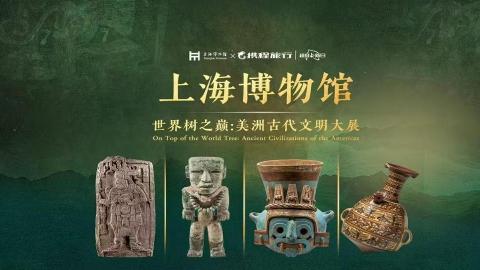
- Yu Garden, City God Temple, The Bund, Lujiazui, Wukang Road, M50 Creative Park, Tian'an 1000 Trees, Xintiandi, Shanghai Museum, ticket to the Ancient American Civilizations exhibition
- One-way high-speed train from Beijing to Xi'an
- Economy class flights: Xi'an to Guilin, and Guilin to Shanghai
- Two bottles of water per person per day
- Meals: Breakfast and lunch
- Hotel accommodation (4-star or higher), double room
- English-speaking tour guide ( 13 days).
- Local transportation (based on the number of participants, with one seat per person guaranteed)
- Air-conditioned vehicle expenses during the tour, including a local driver(13 days).
3.2. The Fee Does Not Include:
- Additional expenses due to force majeure such as traffic delays, strikes, weather, aircraft or equipment failure, flight cancellations or rescheduling;
- All personal expenses and any other expenses not mentioned in the fee inclusions;
- International airfare is not included;
- Visas on arrival are not included;
- Alcoholic beverages, and other personal expenses are not included;
- Meals:dinner
- Expenses incurred by the traveler;
3.3. Child Policy
Please contact customer service if you are traveling with children.
3.4. Tips: Before You Go - Essentials
Visa: Make sure your passport and Chinese visa are valid.
Cash & Payments: While mobile payments are popular, please bring some cash (RMB). We strongly recommend setting up Alipay and linking your international credit card; this will solve 95% of payment issues.
Internet: Purchase a Chinese data SIM card or activate international roaming in advance. Download a VPN (such as Astrill or ExpressVPN) if you need to use Google, Instagram, WhatsApp, etc.
Translation App: Download Google Translate or Microsoft Translate. Their "Live Chat" and "Camera Translation" features are lifesavers.
Maps APP.