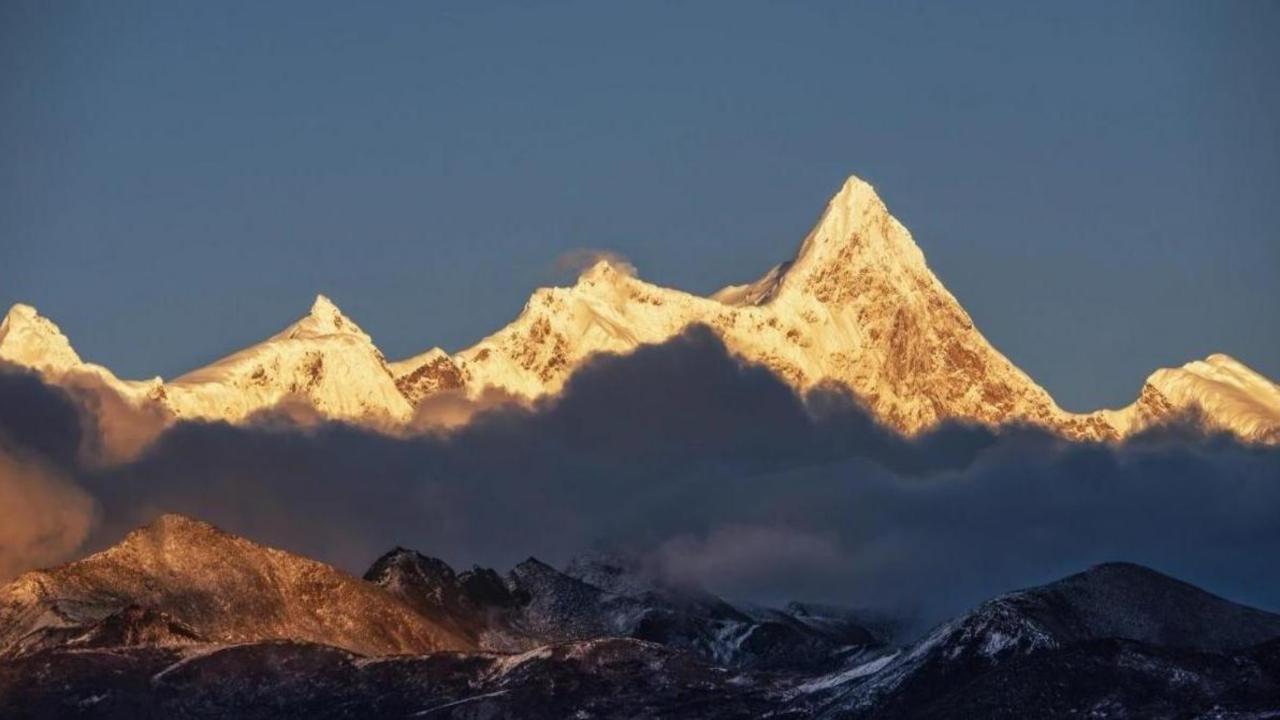
Two-day tour of Nyingchi highlights: Namcha Barwa Sunset Golden Mountain + Exploration of Basum Tso Holy Lake

- Varaktighet: 2 Dagar (cirka)
- Plats: Nyingchi, Tibet
- Produktkod: PYTRHQ
1. Tour Highlights:
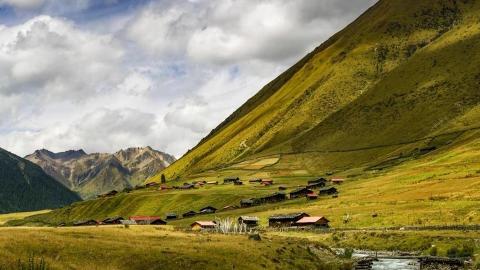
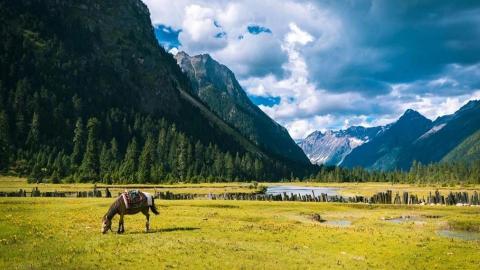
- In just two days, from the grandeur of the world's largest canyon to the sanctity of China's most beautiful snow-capped mountains, and then to the tranquility of the sacred lakes of Tibetan Buddhism, Nyingchi presents you with an unimaginable "Jiangnan of Tibet" through its most exquisite landscapes and the most genuine local culture.
2. Itinerary Overview:
Key Pre-Trip Information:
Documents: A Tibet Travel Permit must be obtained from a travel agency at least 30-45 days in advance. This permit is also required for the Nyingchi itinerary, and the travel agency will confirm this.
Transportation: Nyingchi's attractions are scattered, and some roads have complex conditions. It is essential to hire a car or arrange transportation through a travel agency. Experienced local drivers not only ensure safety but also know the best less-visited viewpoints.
Season Selection:
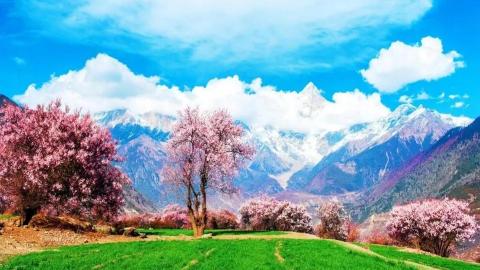
Late March - Mid-April: Peach Blossom Season. Peach blossoms in Sosong Village frame the snow-capped mountains, but it is extremely crowded, and accommodation needs to be booked months in advance.
September - October: Stunning autumn colors and stable weather, ideal for mountain viewing.
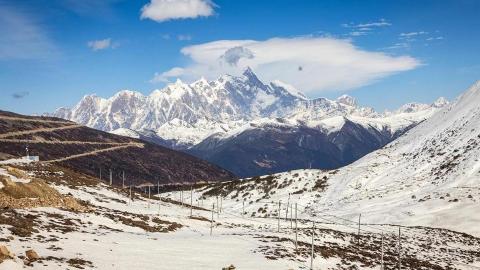
November - March: Less crowded in winter, high visibility of the snow-capped mountains, but temperatures are low, so dress warmly.
Altitude Sickness Warning: Nyingchi has an average altitude of about 3,000 meters and abundant vegetation, so the probability of altitude sickness is relatively low. However, you should slow down when crossing the Sejila Pass (4,720 meters). Please be sure to understand the risks of altitude sickness and prepare oxygen cylinders.
Day 1: Yarlung Tsangpo Grand Canyon + Namcha Barwa Peak + North and South Banks of Sosong Village
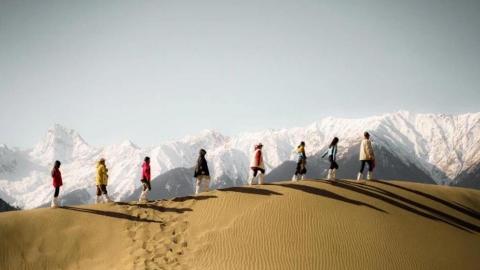
Buddha's Palm Sand Dunes (North Bank): Arrive at the Dannang Buddha's Palm Sand Dunes viewing platform to capture the fantastical landscape of sand dunes, the Yarlung Tsangpo River, and snow-capped mountains all in one frame. To enter the sand dunes, proceed to the North Bank entrance.
Sosong Village (North Bank Core): Enter Sosong Village—the best viewpoint directly facing Namcha Barwa Peak. Capture breathtaking panoramic views of the canyon, village, and snow-capped mountains from a high platform within the village.When the peach blossoms are in full bloom in spring (March-April), the combination of peach blossoms and snow-capped mountains is particularly breathtaking.
Daling Village/Yusong Island (Alternative): You can visit nearby Daling Village or Yusong Island to continue exploring the scenery of the North Shore.
Namcha Barwa Sunset: Return to Sosong Village or proceed to the South Bank viewing platform to await the sunset over Namcha Barwa Peak.
It is recommended to stay in a guesthouse in Sosong Village (advance booking by a travel agency is required for guesthouses with "foreign guest reception qualifications").
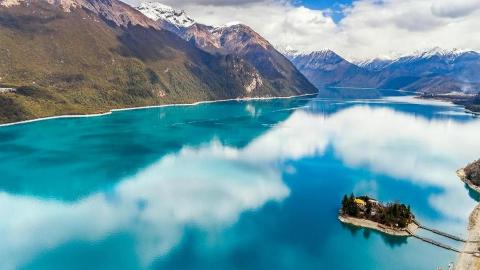
Day 2: Basongcuo Lake + Lake Island + Cuozong Monastery + Jieba Village.
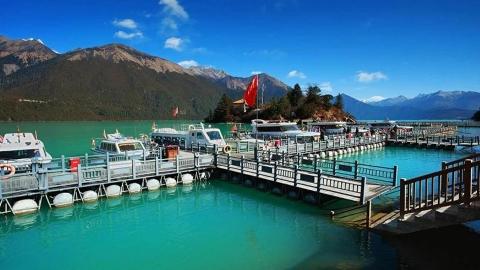
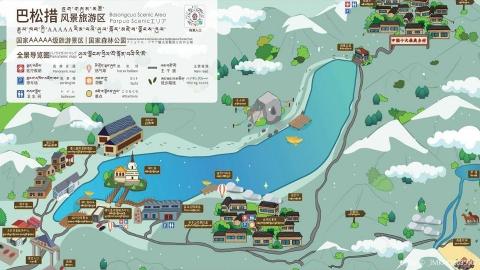
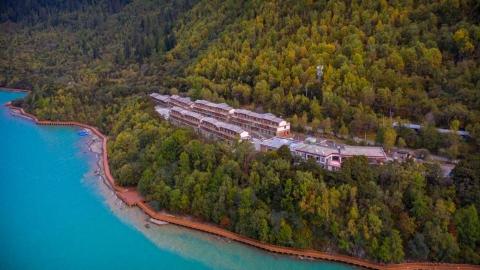
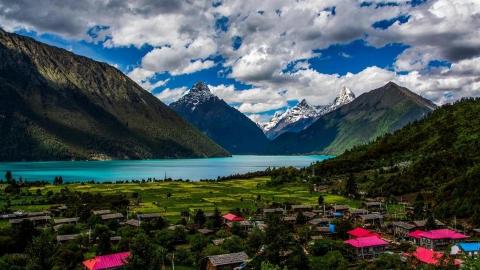
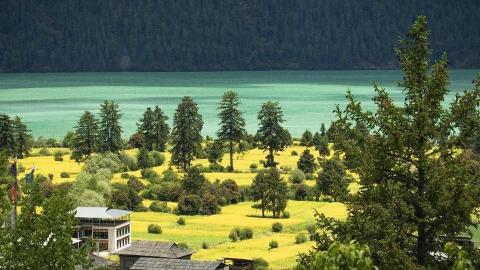
Basongcuo Scenic Area: Arrive at Basongcuo, Tibet's first 5A-level natural scenic area, and take a sightseeing bus into the core area.
Dachera Viewpoint: This is the most classic photo spot at Basum Tso, offering a panoramic view of the lake and snow-capped mountains.
Lake Island + Cuozong Monastery: Visit Tashi Island in the center of the lake and tour the 1500-year-old Cuozong Monastery. The island features unique sights such as "Peach Embracing Pine" and "Quercus glauca," and you can walk clockwise around the island (a Tibetan Buddhist custom).
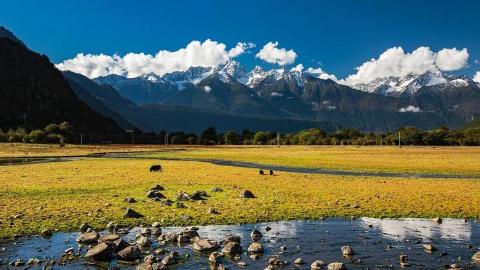
Jieba Village: Proceed to Jieba Village (an ancient Gongbo Tibetan village) on the lakeshore. Climb the Jieba Village viewing platform for panoramic views of Basongcuo and the village's pastoral scenery. Stroll through the village and experience the tranquil scene of Tibetan-style houses and grazing yaks.
3. Pricing & Practical Information:
3.1. The Fee Includes
- Attraction entrance fees:(Tibet Entry Permit, Basum Tso Lake, Yarlung Tsangpo Grand Canyon, and sightseeing bus fare.)
- English-speaking tour guide (2 days).
- Local transportation (based on the number of participants, with one seat per person guaranteed).
- Car expenses during the tour, including a local driver (2 days).
3.2. The Fee Does Not Include
Additional expenses due to force majeure such as traffic delays, strikes, weather, aircraft or equipment failure, flight cancellations or rescheduling;
All personal expenses and any other expenses not mentioned in the fee inclusions;
International airfare is not included;
Visas on arrival are not included;
Meals, alcoholic beverages, and other personal expenses are not included;
Expenses incurred by the traveler;
3.3. Child Policy
Please contact customer service if you are traveling with children.
3.4. Tips: Before You Go - Essentials
Visa: Make sure your passport and Chinese visa are valid.
Cash & Payments: While mobile payments are popular, please bring some cash (RMB). We strongly recommend setting up Alipay and linking your international credit card; this will solve 95% of payment issues.
Internet: Purchase a Chinese data SIM card or activate international roaming in advance. Download a VPN (such as Astrill or ExpressVPN) if you need to use Google, Instagram, WhatsApp, etc.
Translation App: Download Google Translate or Microsoft Translate. Their "Live Chat" and "Camera Translation" features are lifesavers.
Maps APP.
3.5. A Complete Guide for Foreigners Traveling to Tibet:
To ensure tourist safety and protect the unique natural and cultural environment, foreign tourists traveling to Tibet must comply with specific regulations. The core keywords for foreigners entering Tibet are: advance planning, group travel, and required documents.1. Three Core Documents for Foreigners Entering Tibet Foreign tourists cannot travel independently like domestic tourists; they must obtain the following documents through a qualified travel agency:
①. Tibet Entry Permit
This is the most crucial permit, required by all foreign tourists (except residents of Hong Kong and Macau).
It must be handled by a travel agency: Individuals cannot apply directly. You need to submit photos of your passport's first page and a valid Chinese visa to a cooperating local travel agency in Tibet in advance, which will then submit them to the Tibet Tourism Bureau for approval.
Processing Time: Regular routes typically take 7-15 working days. During peak season (May-October) or when traveling to special areas such as Ali or Mount Everest, processing times will be longer. It is recommended to contact a travel agency at least 1-2 months in advance.
Important Note: When boarding for your flight to Tibet, the airline will check the original Tibet Entry Permit; photocopies are not valid.
②. Valid Passport and Chinese Visa
Passport must be valid for at least 6 months and have blank pages.
Holding an L-type tourist visa is the most reliable way to apply for a Tibet Entry Permit. If you hold other types of visas such as work (Z) or study (X), you may need to provide additional materials (such as proof of employment or enrollment).
③. Border Permit
If your itinerary includes border or sensitive areas such as Everest Base Camp, Ngari Prefecture, Medog, or Shannan, you must obtain a "Border Permit" in addition to the Tibet Entry Permit.
This permit will also be processed by your travel agency when you apply for the Tibet Entry Permit. The processing locations in places like Shigatse may change (e.g., the processing point in Shigatse has changed since 2026), but professional travel agencies will handle everything, so you don't need to do it yourself.
2. The Most Important Rule: Must Travel in a Group, No Independent Travel
This is an ironclad rule that all foreigners entering Tibet must abide by.
You cannot travel alone: Even if you are traveling alone, you must arrange your itinerary through a travel agency, and be accompanied by a driver and guide assigned by the travel agency throughout the trip.
Itinerary Registration Required: Your final itinerary needs approval and must be strictly followed. If changes are needed midway through the trip (e.g., illness, weather), the travel agency must apply to the relevant department and obtain approval before adjustments can be made.
3. How to Travel to Tibet?
Foreign tourists cannot fly directly to Tibet from abroad, nor can they drive or cycle into Tibet (e.g., on the Sichuan-Tibet Highway 318). The only correct order is:
1. Fly to a mainland Chinese city: Fly from your country to major gateway cities such as Beijing, Shanghai, Guangzhou, Chengdu, Xi'an, and Chongqing.
2. Then transfer to a flight/train to Tibet: After obtaining the Tibet Entry Permit in a mainland city, use the original (or a copy, depending on the mode of transportation) to transfer to a domestic flight or the Qinghai-Tibet Railway to Lhasa or Nyingchi. Chengdu is the most frequent and reliable transit point for flights to Tibet.