Chengde Core Two-Day Itinerary: A Peak Experience of Royal Gardens and Tibetan Buddhist Architecture
- Duration: 1 Days (approx.)
- Location: Chengde, Hebei
- Product code: PZ5WVU
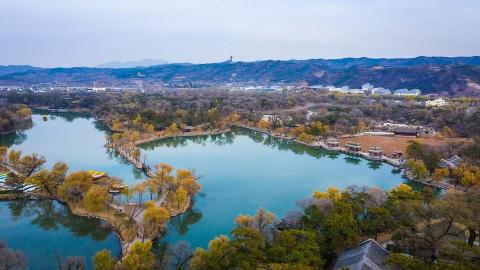
Visit the world's largest imperial garden, the Chengde Mountain Resort; in the evening, you can choose between a spectacular live performance or authentic local street food. The next day, immerse yourself in exploring three Tibetan Buddhist temples, from the political landmark of the Little Potala Palace to the artistic masterpiece of the Thousand-Armed Guanyin, completing a condensed journey of cultural discovery.
1. Tour Highlights:
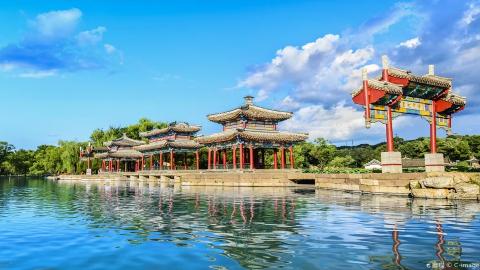
- A single day to experience the dual facets of Qing Dynasty governance strategies: At the Summer Resort, you will personally experience how the imperial summer palace miniaturized Jiangnan gardens, Mongolian grasslands, and Tibetan temples, serving as a political stage for the "appeasement" policy. The following day's tour of the highlights of the Eight Outer Temples is the ultimate manifestation of this strategy on a religious and cultural level.
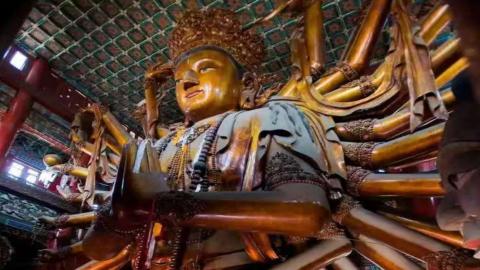
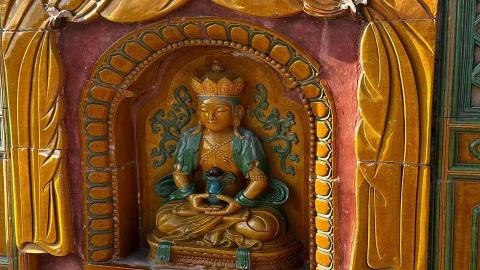
- A comparative immersive experience of the highlights of the Eight Outer Temples: Visit three top-tier temples in one day, experiencing their subtle differences: Climb through the magnificent Tibetan-style architecture of the Potala Palace (Little Potala Palace), feeling its political symbolic significance; admire the fusion of Han and Tibetan art at the exquisite Xumi Fushou Temple; and finally, be awestruck by the world's largest wooden carving of the Thousand-Armed Guanyin at Puning Temple. This concentrated comparison allows for a profound understanding of the Qing Dynasty's respect for and control over diverse faiths.
- A multi-dimensional experience enjoyed day and night: During the day, appreciate authentic historical relics, while at night, you have two classic Chengde nightlife options: sample authentic local snacks at Chengde Old Street or Erxianju Night Market, experiencing the vibrant atmosphere of local life; or, at your own expense, watch the large-scale live performance of "The Flourishing Dynasty: Emperor Kangxi's Grand Ceremony," a stunning audio-visual feast set amidst real mountains and rivers, providing an emotionally powerful conclusion to your historical exploration during the day.
2. Itinerary Overview: Day Tour
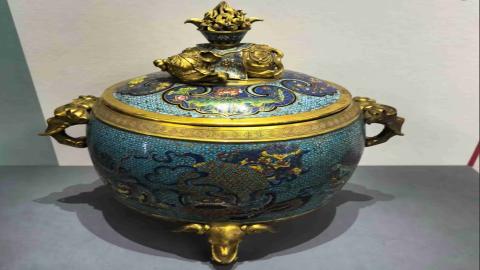
- Chengde Museum
A window into understanding the entire cultural heritage of Chengde from a "bird's-eye view" (requires booking 1-3 days in advance; subject to successful booking, this is an optional activity).
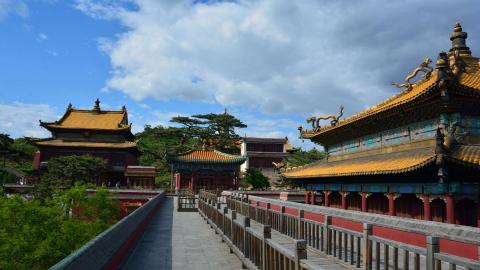
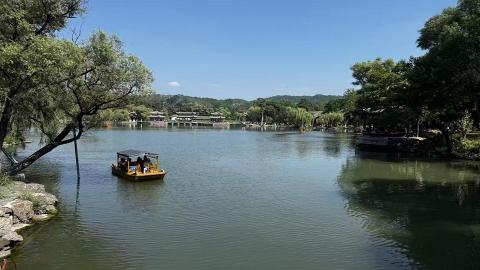
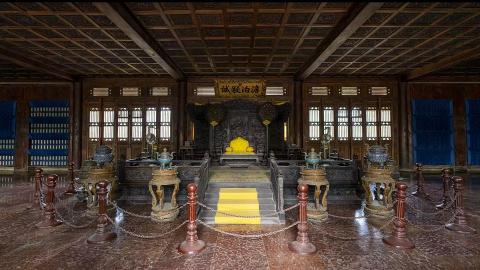
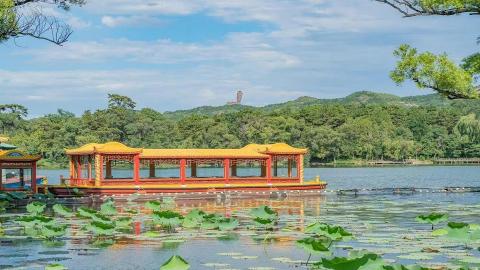
- Chengde Mountain Resort:
Focus on visiting the palace area, the mountain scenic route (accessible by shuttle bus), and the lake area (by boat).
- Optional:
City walk: Explore Chengde's old streets or the "Erxianju" night market to experience local snacks.
Or, at your own expense, watch the "Ding Sheng Dynasty - Emperor Kangxi Grand Ceremony" live performance (Avaliable time:April 18th - October 19th annually, 19:40-20:50).
A large-scale royal cultural live performance set against a backdrop of real mountains and rivers. This is more like a "visual epic" than a traditional drama. The plot is impressionistic and episodic, focusing on creating an immersive and stunning experience through exquisite stage design, lighting, sound, special effects, and equestrian performances.
Day 2:
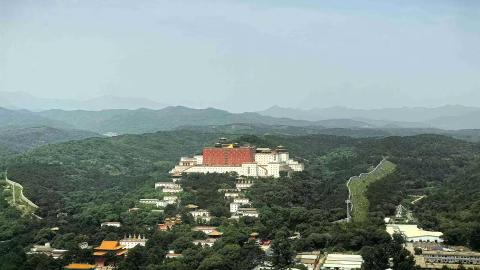
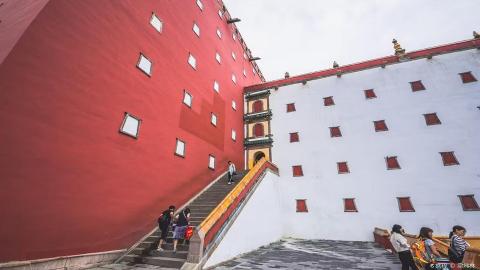
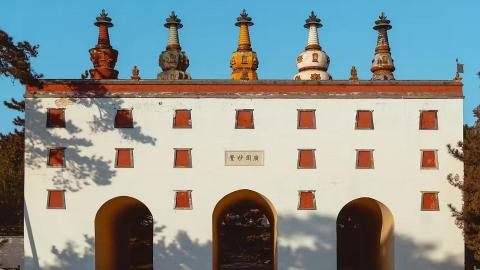
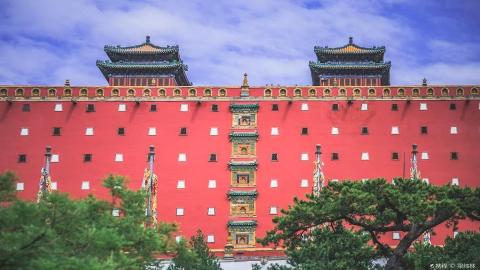
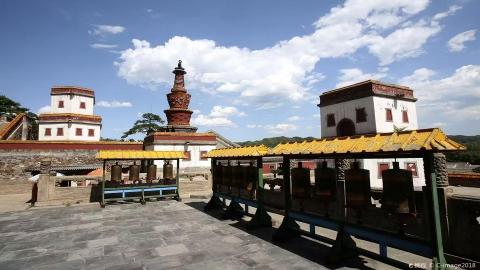
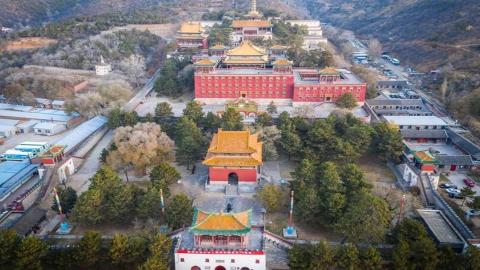
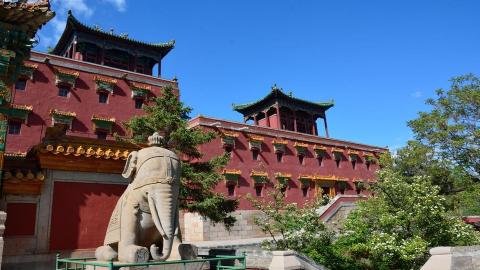
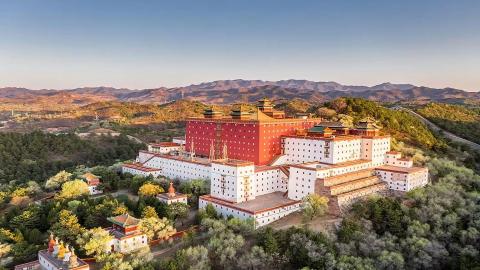
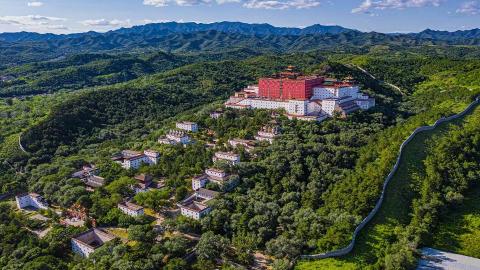
- Putuo Zongcheng Temple (Little Potala Palace):
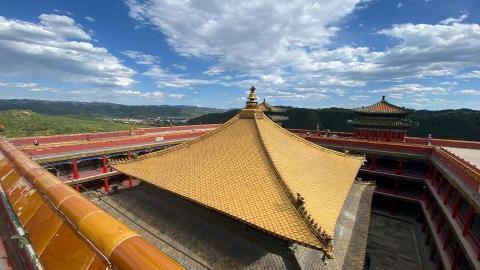
A "three-dimensional history book" written in stone, earth, and gold. Visit the main buildings and take panoramic photos.
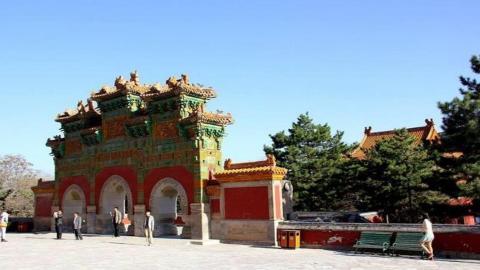
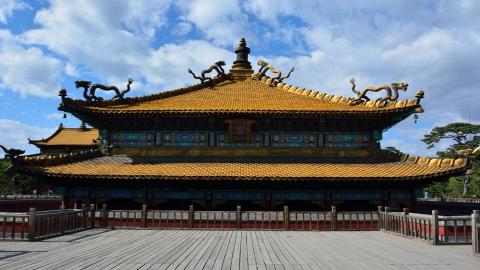
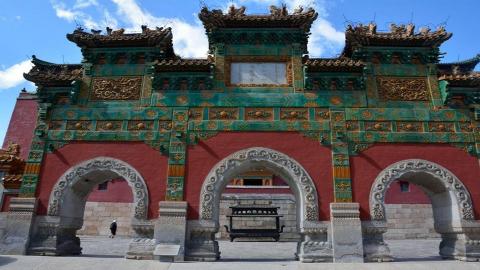
- Xumi Fushou Temple:
A blend of Han and Tibetan styles, with profound political and religious significance.
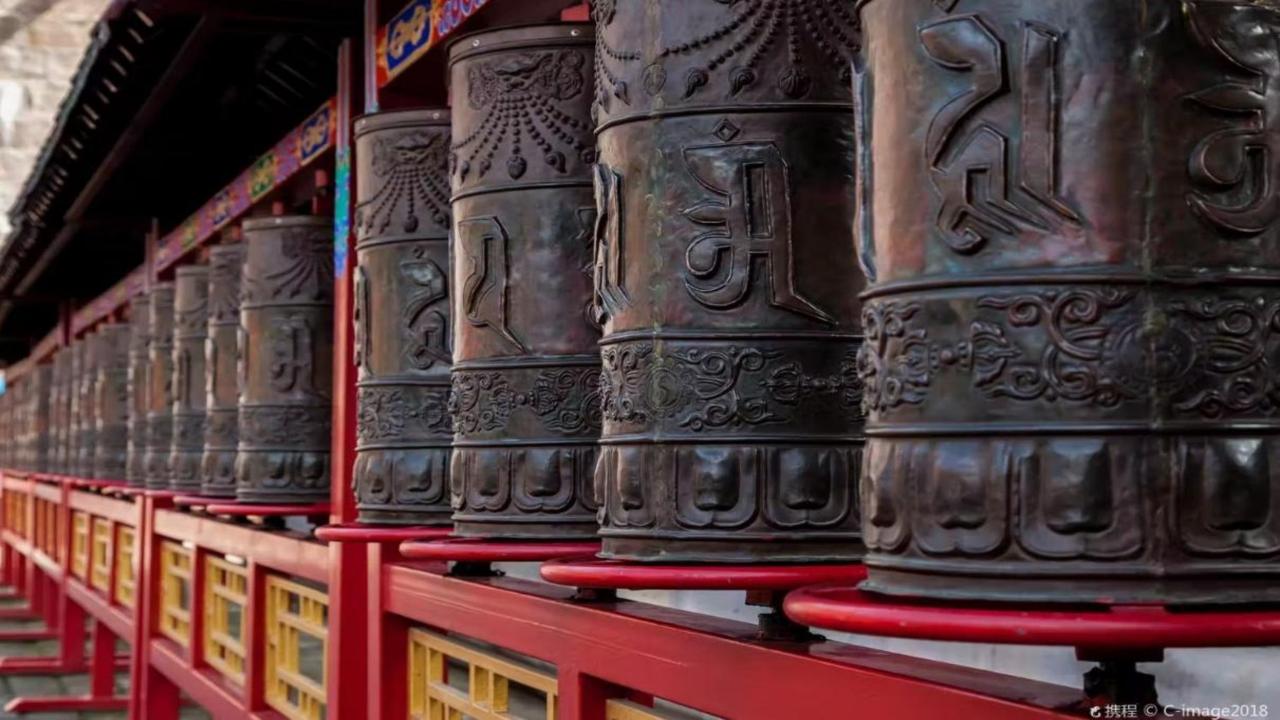
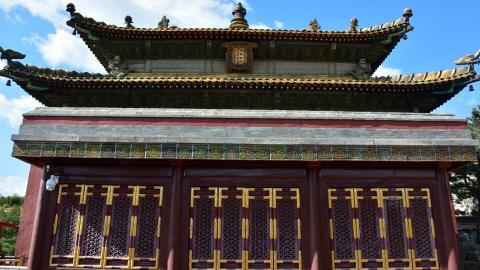
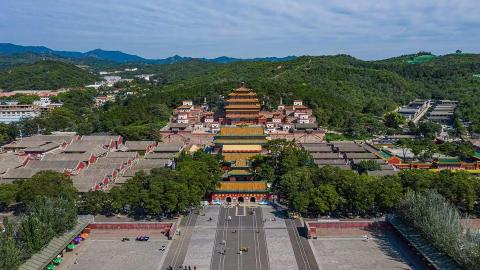
Puning Temple: Visit the world's largest wooden carving of the Thousand-Armed Guanyin and experience the atmosphere of Tibetan Buddhism.
3. Pricing & Practical Information:
3.1. The Fee Includes
- Attraction entrance fees (Chengde Mountain Resort, Putuo Zongcheng Temple (Little Potala Palace), Xumi Fushou Temple, Puning Temple).
- English-speaking tour guide (2 days).
- Local transportation (based on the number of participants, with one seat per person guaranteed).
- Car expenses during the tour, including a local driver (2 days).
3.2. The Fee Does Not Include
- "The Flourishing Dynasty: The Grand Ceremony of Emperor Kangxi" live performance (tickets can be purchased separately at your own expense).
Additional expenses due to force majeure such as traffic delays, strikes, weather, aircraft or equipment failure, flight cancellations or rescheduling;
All personal expenses and any other expenses not mentioned in the fee inclusions;
International airfare is not included;
Visas on arrival are not included;
Meals, alcoholic beverages, and other personal expenses are not included;
Expenses incurred by the traveler;
3.3. Child Policy
Please contact customer service if you are traveling with children.
3.4. Tips: Before You Go - Essentials
Visa: Make sure your passport and Chinese visa are valid.
Cash & Payments: While mobile payments are popular, please bring some cash (RMB). We strongly recommend setting up Alipay and linking your international credit card; this will solve 95% of payment issues.
Internet: Purchase a Chinese data SIM card or activate international roaming in advance. Download a VPN (such as Astrill or ExpressVPN) if you need to use Google, Instagram, WhatsApp, etc.
Translation App: Download Google Translate or Microsoft Translate. Their "Live Chat" and "Camera Translation" features are lifesavers.
Maps APP.
Travel Time Reference:
Summer (June-August): The best season. Chengde is cool and pleasant during this time, with lush greenery, making it the perfect time to experience its "summer resort" function. However, it is also the peak season with the most tourists.Autumn (September-October): The weather is crisp and clear, and the autumn colors paint the mountains and forests within the resort, creating a vibrant and colorful landscape, ideal for photography and hiking. Tourist numbers decrease after the National Day holiday, resulting in a better experience. Spring (April-May): Everything comes back to life, and the mountain flowers are in full bloom, but there may be occasional sandstorms. Winter (November-March of the following year): The weather is cold, and there are few tourists. You can see the tranquil scenery of the resort and temples covered in snow, which has a unique charm (but some lake areas may be closed).